Operating an independent bicycle shop requires a blend of technical mechanical expertise, seasonal inventory management, and community relationship building. When the time comes for an owner to transition out of the retail business, these very same complexities can make the exit process demanding. Preparing a specialty retailer for the market involves much more than simply listing the business for sale; it often involves documentation of vendor relationships, clear service department policies, and an understanding of the local cycling market. Recognizing when to handle these preparations internally and when to seek the guidance of a professional intermediary is a decision that shapes the transition process.
The Complexities of Retail Inventory Records
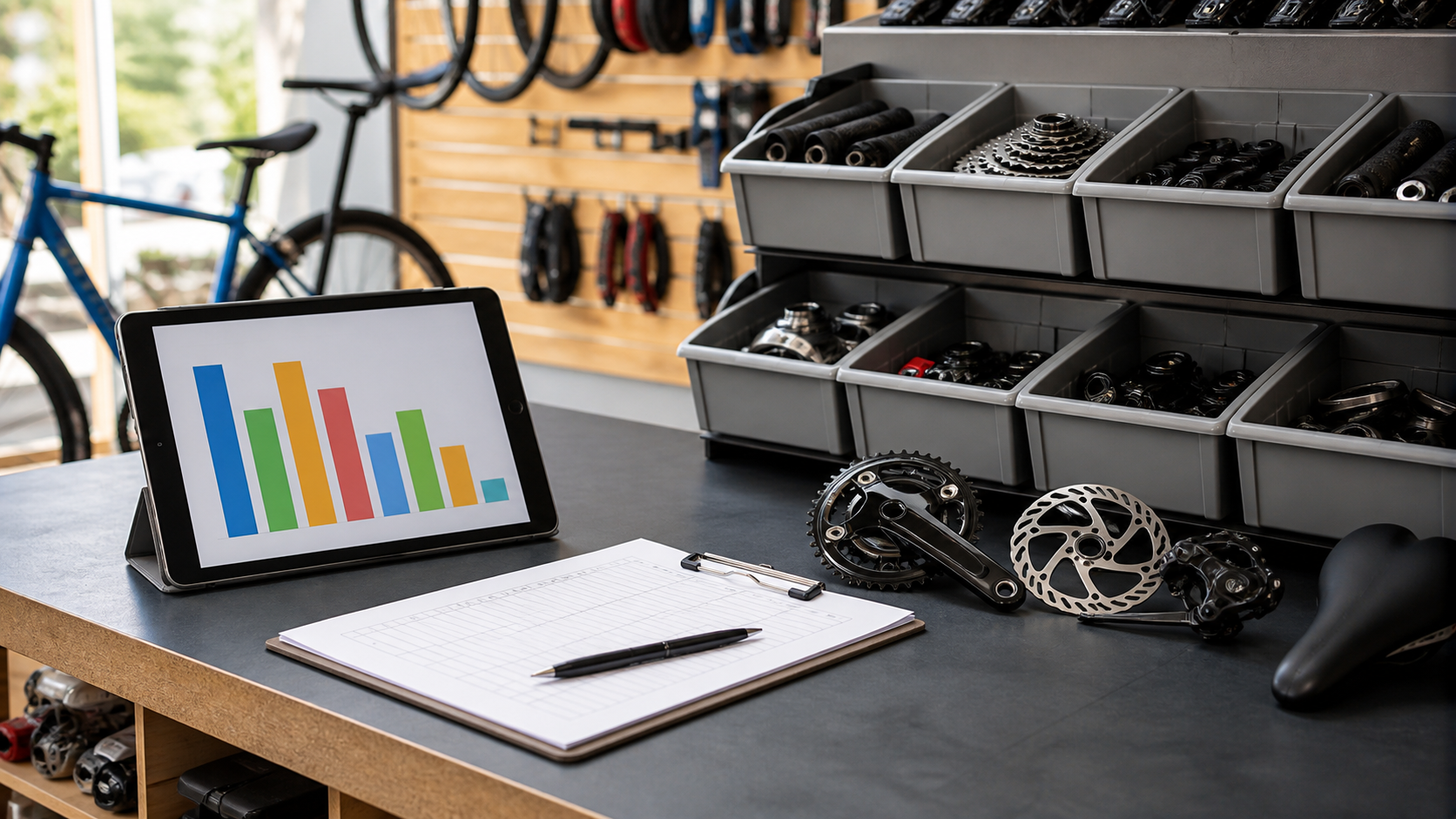
One of the more challenging aspects of preparing a bicycle shop for transition is organizing the diverse inventory. A typical shop floor holds a wide array of products, ranging from high-ticket, serialized carbon fiber road bikes and e-bikes to thousands of small service parts like spokes, cables, and bearings. An owner should ensure that the Point of Sale (POS) system accurately reflects the physical stock on hand. Buyers typically audit these inventory records, looking closely for discrepancies that might affect the purchase price or indicate informal internal management.
Before going to market, owners might proactively identify and address aging inventory. Bicycles, particularly high-end models, depreciate as new model years are released. A shop loaded with older, unsold bikes can present a financial liability to a new buyer. Liquidating older stock, discounting outdated accessories, and presenting a relevant inventory profile is a sound strategy. This internal cleanup process allows the business to present a clear picture to potential acquirers, showing that capital is effectively managed.
Documenting Supplier and Vendor Agreements
Independent bicycle retailers rely on their established relationships with major bicycle brands and component distributors. In many cases, a shop’s value is tied to its right to sell a desirable brand within a specific geographic territory. However, these dealer agreements are rarely automatically transferable to a new owner. The major brands usually need to approve the new buyer to ensure they meet the brand’s retail, financial, and mechanical standards.
Owners should document all current vendor terms, including details like minimum annual purchase requirements, seasonal dating programs, and available cooperative advertising funds. Understanding what is required to transfer these brand relationships is vital. If a primary supplier refuses to authorize the new buyer, the acquisition can be delayed or altered. Organizing these contracts and understanding the manufacturer’s specific transfer protocols is a helpful step before entering negotiations with any buyer.
Organizing Service Department Policies
The service department is often a consistent revenue sector of a modern bicycle shop, providing cash flow during slower retail months. However, the value of the service center relies on its reputation, its operational efficiency, and the retained knowledge of its mechanics. An owner preparing for a transition can formalize the service department’s undocumented procedures. This includes writing down standard intake processes, pricing matrices for common repairs, and protocols for handling warranty claims with major manufacturers.
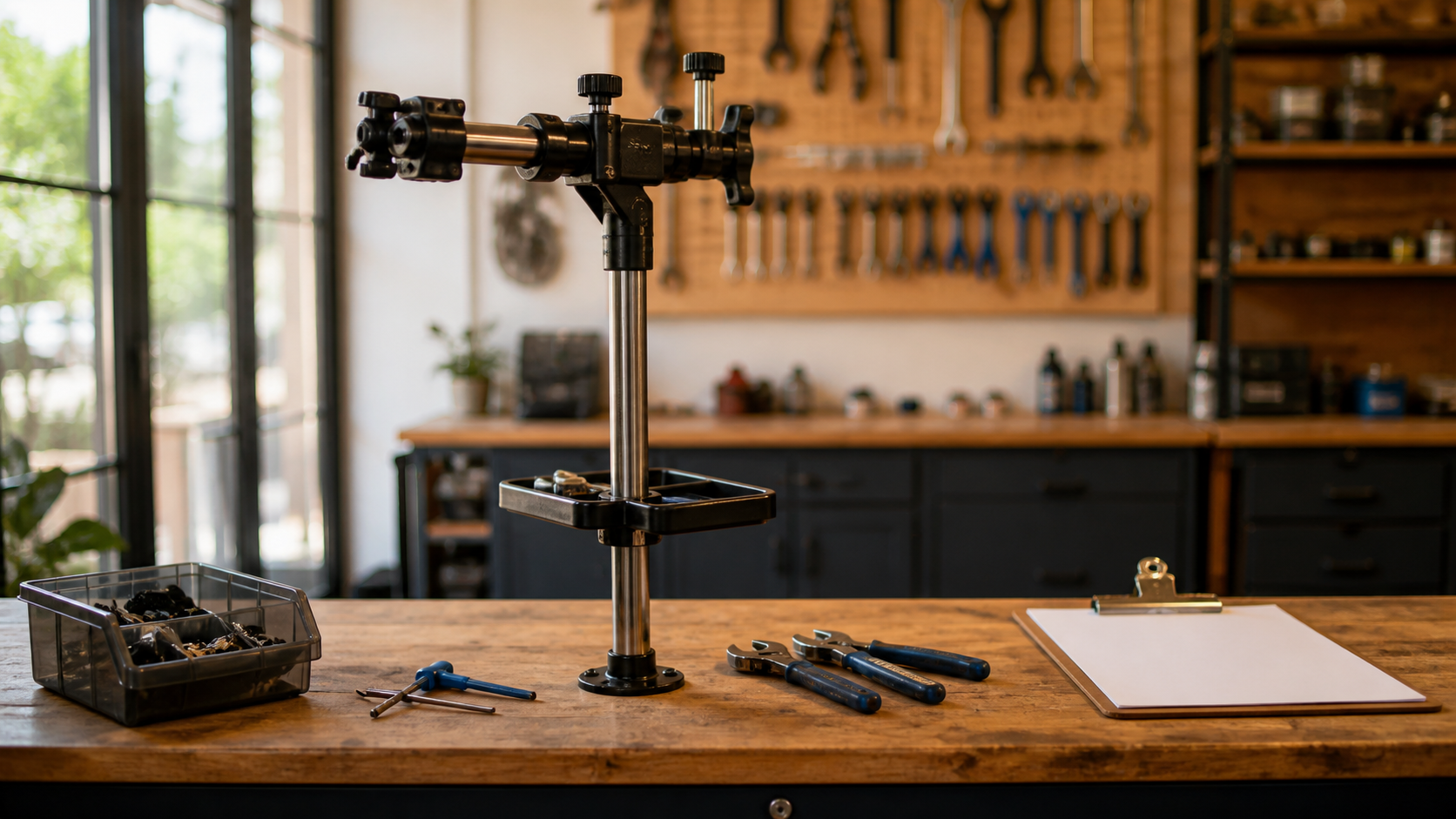
Furthermore, documenting the condition and ownership of the specialized tools in the service area is helpful. Often, mechanics own their specific hand tools, while the shop owns larger equipment like frame alignment gauges, suspension servicing stations, and wheel truing stands. Creating an itemized inventory of shop-owned service assets can prevent disputes and clarify that the service department is equipped to remain operational.
Recognizing the Option for Professional Support

While an owner can handle the internal cleanup of inventory and the documentation of internal service policies, the process of confidentially marketing the business and structuring the financial deal often introduces new challenges. Managing the daily operations of a busy retail floor while simultaneously trying to vet potential buyers and negotiate financial terms can be demanding. At this stage, owners may consider an intermediary when they want help with confidential marketing, buyer screening, and process coordination.
A professional advisor can help shield the owner from the day-to-day distractions of the sale process. They bring methodologies for valuing the retail operation, factoring in the nuances of seasonal cash flow and localized inventory valuation. For instance, owners seeking regional assistance might review the services of Midwest Business Brokers to see how professionals navigate specific geographic markets. Working with an intermediary does not guarantee a specific outcome, but it offers a structured approach to marketing the shop while the owner remains focused on keeping the business operational.
Website-network disclosure: LeedsBicycle.com and the linked Midwest Business Brokers website are operated within the same website network. This is an affiliated resource, not an independent endorsement.
Protecting Confidentiality in a Local Retail Setting
Confidentiality can be difficult to maintain in a community-focused retail environment like a local bicycle shop. If rumors of an impending sale begin to circulate prematurely, the consequences can be disruptive. Key mechanics might explore other opportunities, loyal customers might hesitate to place expensive special orders, and competitors might use the uncertainty to their advantage. An intermediary is one option for managing this flow of information.
Evaluating the Local Market and Screening Buyers
Understanding the shop’s position within the local cycling ecosystem is important. Is the shop known primarily for high-end triathlon fittings, family recreational bikes, or mountain bike sales? This specific identity can influence the type of buyer who will be a good fit. It is useful to know how bicycle shop buyers should read local market signals to understand the perspective from the other side of the negotiating table.
A broker can assist in screening buyers for their financial capability and their operational background. Taking over a technical retail operation requires specific management skills. An intermediary can help assess whether the buyer has the necessary capital and retail experience to maintain the shop’s community reputation, supporting the seller’s overall transition goals.
Addressing Lease Agreements and Physical Location
Just as important as inventory and vendor relations is the status of the bicycle shop’s physical location. Most independent shops operate out of leased commercial spaces, and the terms of that lease can significantly impact a sale. Buyers will want to know how much time is left on the current lease, whether there are favorable renewal options, and if the landlord is open to assigning the lease to a new owner.
Preparing Financial Statements and Point of Sale Data
Clean, accurate financial records are the backbone of any business valuation. Bicycle shops, with their complex blend of retail sales, service labor, and special order deposits, require robust accounting. Before listing the business, an owner should work with their accountant to ensure that the last three years of profit and loss statements, balance sheets, and tax returns are organized and normalized. Normalizing involves adjusting for any one-time expenses or owner-specific benefits to reflect the true operational profitability of the shop.
For an Indiana owner, this guide to valuation records and earnings describes how financial documentation informs a sale-planning discussion.
In addition to traditional financial statements, buyers will heavily scrutinize data from the Point of Sale system. They will look at customer retention rates, average transaction values, and the breakdown of revenue between bike sales, parts, accessories, and service. Ensuring this data is easily exportable and understandable helps build a buyer’s confidence in the business’s historical performance and future potential.
Planning for the Post-Sale Transition Period
A successful change of ownership usually involves a structured transition period where the exiting owner remains on-site to train the buyer. This period is crucial for transferring the nuanced knowledge that isn’t written down in any manual. It involves introducing the new owner to key vendor representatives, explaining the idiosyncrasies of the local customer base, and ensuring a smooth handover of the service department.
When preparing for a sale, an owner should consider how much time they are willing to commit to this transition phase and clearly outline these expectations in early negotiations. A well-defined training period reassures the buyer that they will not be left to navigate the complexities of the bicycle retail industry alone, which can make the business a more attractive acquisition target.
Conclusion
Preparing a bicycle shop for transition is a multi-faceted process that demands operational organization. By proactively tackling the complexities of inventory management, documenting supplier agreements, and formalizing the service department’s procedures, an owner can lay a foundation for an exit. Recognizing when to transition from internal preparation to utilizing the support of a professional intermediary is a strategic choice. This approach can help an owner manage the demands of the sale process while working toward a transition that allows the community shop to continue under capable new leadership.